Do You Need a Permit for a Patio Cover in San Diego County?
Every city in San Diego County sets its own patio cover rules, so the honest answer is: it depends on where you live, how big the cover is and whether it attaches to your house. Here is how the rules work across the county, with a quick reference for each city we serve.
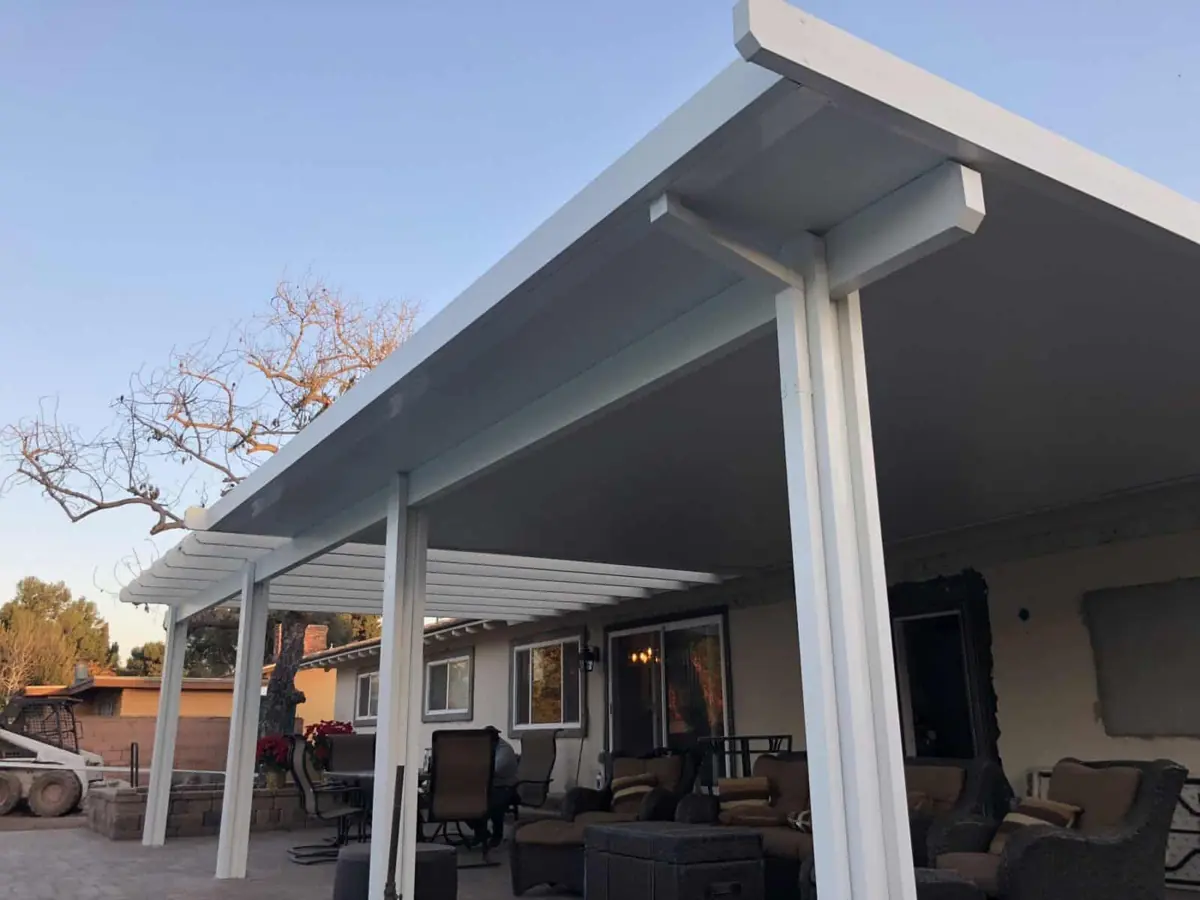
The short version
- Most attached covers need a permit. Carlsbad, for example, requires one for every attached residential patio cover regardless of size.
- Some small covers are exempt. The City of San Diego and the unincorporated county (including Spring Valley and Ramona) can exempt covers of 300 square feet of roof area or less on single-family lots. Carlsbad and Encinitas set the limit at 120 square feet, and only for certain covers.
- Exemptions have exceptions. Homes in the Coastal Zone, historic districts, planned developments or on environmentally sensitive land often lose the exemption, and no cover may encroach into a required setback without approval.
- Electrical work is separate. Fans, lights and outlets usually need their own electrical permit even when the cover itself is exempt.
Rules by city
This table summarizes what each city publishes. Click a city for local details, neighborhoods and HOA notes.
| City or area | Do you need a permit? |
|---|---|
| San Diego | Not always. Covers of 300 square feet or less on single-family and duplex lots may be exempt, unless the home is in the Coastal Zone, a historic district or another listed exception applies. Electrical work may still need a permit. |
| Chula Vista | Plan on one. Chula Vista treats patio covers as accessory structures with set height and use limits, and your contractor will confirm what your lot needs and handle the application. |
| Oceanside | In most cases, yes. Homes in Oceanside's Coastal Zone may also need a coastal review. Your contractor will confirm the requirements for your address and usually pulls the permit. |
| Escondido | Usually, yes. Escondido has standard guidelines for lattice and solid roof covers that simplify the process. Your contractor will confirm the details for your lot and handle the application. |
| Carlsbad | Attached patio covers in Carlsbad need a building permit. Detached covers with 120 square feet or less of roof area are exempt, though zoning rules still apply. Your contractor will confirm the rest. |
| El Cajon | Yes. El Cajon has city standard drawings that can speed up the permit for an attached cover. Your contractor will handle the application and inspections. |
| Vista | Yes, but it can be quick. Vista issues patio cover permits over the counter for projects that use the city standard plan or ICC-approved plans. Your contractor will know which applies. |
| San Marcos | Plan on one. San Marcos has a standard plan for residential patio covers, and covers must sit at least 5 feet from the property line. Your contractor will confirm zoning setbacks and handle the application. |
| Santee | In most cases, yes. Homes near open space may have extra fire-safety material requirements. Your contractor will confirm the details and usually handles the permit. |
| Encinitas | Probably. Only covers of 120 square feet or less of roof area can be exempt, and not in the Coastal Zone, a Planned Residential Development or a required setback. Your contractor will confirm what your property needs. |
| La Mesa | In most cases, yes. Your contractor will confirm the City of La Mesa's requirements for your lot and usually pulls the permit. |
| Poway | Yes. Poway has a patio cover permit bulletin with no size exemptions listed. Your contractor will handle the application, plans and inspections. |
| National City | In most cases, yes. On smaller lots, setbacks and fire separation from the property line matter. Your contractor will confirm the requirements and usually pulls the permit. |
| Rancho Bernardo | Not always. City of San Diego rules can exempt covers of 300 square feet or less on single-family lots, unless a listed exception applies. Electrical work may still need a permit. Your contractor will confirm. |
| Spring Valley | Not always. The County of San Diego exempts patio covers of 300 square feet or less of roof area on a single dwelling. Larger covers and electrical work need permits. Your contractor will confirm. |
| Ramona | Not always. The County of San Diego exempts patio covers of 300 square feet or less of roof area on a single dwelling. Larger covers and electrical work need permits. |
Why a permit matters even when it feels optional
An unpermitted cover can come back to bite you. Buyers and their inspectors often ask about additions and structures, and an unpermitted cover can complicate a sale or an insurance claim. A permit also means a building inspector has checked the footings and the way the cover attaches to your house, which is exactly where wind and weight cause problems.
Permits are not usually the expensive part. In the City of San Diego, plan check and inspection fees are charged when you apply and when the permit is issued, and one local installer reports a total of about $2,000 including fees. Many installers include permit handling in their quote, so ask.
Things that commonly trigger extra review
Coastal Zone
Large parts of Oceanside, Carlsbad, Encinitas and the City of San Diego sit in the Coastal Zone. Projects there can need a coastal permit or exemption from the planning department on top of the building permit, which adds time. Encinitas notes that much of the city is in the Coastal Zone, so most projects there need a permit.
Setbacks and property lines
Covers close to a property line can trigger fire-resistance requirements. El Cajon, for example, requires a one-hour firewall and planning approval when a post or wall sits less than 5 feet from the property line. San Marcos requires covers to sit at least 5 feet from the property line.
Fire hazard zones
Homes near open space in Escondido, Santee, Poway, San Marcos and Ramona may sit in a fire hazard severity zone. Escondido requires fire-retardant treated wood in those zones, which is one reason aluminum covers like Alumawood are popular inland.
Enclosing the cover later
If you might add walls, screens or windows later, say so up front. Several cities limit how much of a cover can be enclosed. Vista, San Marcos, El Cajon and Poway require the longer side and one more side to stay at least 65 percent open, and a fully enclosed room is usually permitted as a sunroom or addition instead.
Who pulls the permit?
In most cases your installer does. California home improvement contracts must state who is responsible for obtaining permits, so check that line before you sign. A good installer will also tell you whether your city offers a standard plan, which can speed things up. Escondido, Vista, El Cajon and San Marcos all publish standard plans or guidelines for patio covers.
Not sure what applies to your address? Licensed installers in our network work in these cities every week and will confirm the requirements during your free estimate. You can also check any contractor's license on the CSLB license lookup.
Ready for a Free Estimate?
Tell us about your project and one licensed, insured local installer will contact you within 1 business day.
Get a Free EstimateCommon Questions
Can I build a small patio cover without a permit in San Diego?
In the City of San Diego, covers of 300 square feet of roof area or less on single-family and duplex lots may be exempt, unless the home is in the Coastal Zone, a historic district, a planned development or the cover encroaches into a setback. Electrical work still needs a permit.
How long does a patio cover permit take?
It varies by city. Cities with standard plans, such as Vista, can issue permits over the counter, while custom designs and Coastal Zone projects take longer because they go through plan review.
Does an Alumawood cover need engineering?
Solid and insulated roofs usually need engineered plans or an approved standard plan. Your installer will know which option your city accepts.
Sources
City of San Diego: Information Bulletin 206, Patio Covers · City of Carlsbad: Residential Patio Cover Handout · City of Encinitas: Specifications for Patio Covers · City of Escondido: Solid Roof Patio Cover Guideline · City of Poway: Patio Cover Information Bulletin · County of San Diego: Building Permit Requirements (PDS 110) · Soltech Patio Covers: Solid Patio Cover Cost in San Diego · Install It Direct: San Diego patio cover pricing. Rules and prices change, so confirm details with your city and contractor.